
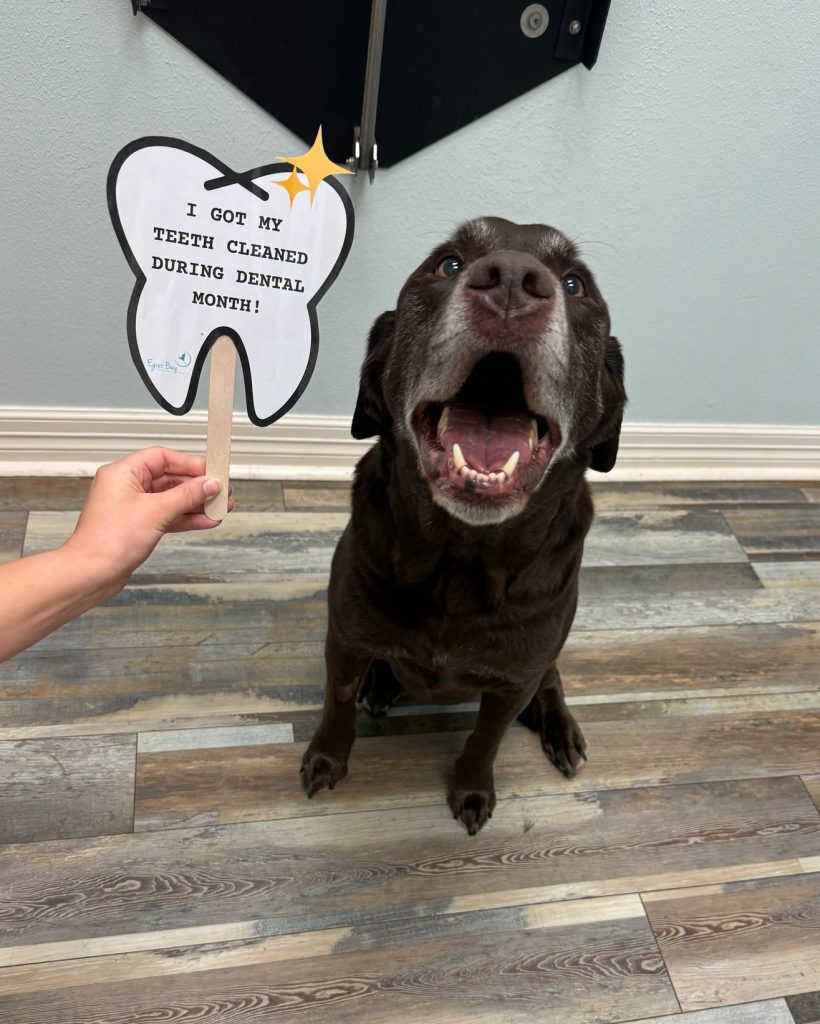
veterinary dentistry in League City TX

Veterinary Dentistry in League City, TX

At Egret Bay Veterinary Hospital, we offer comprehensive dental services for dogs and cats in League City, TX and the surrounding communities. Dental health is one of the most overlooked aspects of pet care — yet it is one of the most important. Poor oral health doesn’t just cause bad breath and discomfort; it can lead to serious systemic diseases affecting the heart, liver, and kidneys as bacteria from infected gums enter the bloodstream.

The numbers are striking: dental disease affects an estimated 80% of dogs and 70% of cats by the time they reach age three. Despite how widespread the problem is, most pet owners don’t realize how significant the impact can be — or what they can do about it. At Egret Bay, we take dental care seriously and are here to help your pet maintain a healthy mouth throughout their life.

Professional Dental Cleanings

Just like humans, pets benefit from professional dental cleanings to remove tartar and plaque buildup that home brushing can’t reach. Professional veterinary dental cleanings are performed under general anesthesia, which allows our team to safely clean all surfaces of each tooth — including below the gumline — where the most harmful bacteria reside. We also perform a thorough oral examination during each cleaning to check for broken teeth, abnormal growths, periodontal pocketing, and other issues that may require follow-up treatment.

Anesthesia-free dental cleanings are not a substitute for professional cleanings. They may remove visible surface tartar but do nothing to address disease beneath the gumline, where it matters most. Your pet’s safety and the quality of the cleaning are our top priorities.

SANOS Dental Sealant


SANOS dental sealant

We are pleased to offer SANOS dental sealant application during our professional dental cleanings. SANOS is a barrier sealant that is applied to the gumline after a dental cleaning to help prevent the reattachment of plaque bacteria — extending the time between cleanings and supporting better long-term oral health. Ask our team whether SANOS is right for your pet.

At-Home Dental Care for Pets

Professional cleanings are most effective when combined with a consistent at-home dental care routine. We encourage all pet owners to brush their pets’ teeth regularly — daily is ideal, but even a few times a week makes a meaningful difference. If brushing isn’t feasible for your pet, there are other helpful options including dental chews, water additives, and veterinary-approved dental diets. Our team is happy to demonstrate proper brushing technique and recommend the best products for your pet’s specific needs.

Signs of Dental Disease in Pets

Watch for these warning signs that your pet may be experiencing dental pain or disease:

  • Bad breath (halitosis)
  • Yellow or brown tartar buildup on teeth
  • Red, swollen, or bleeding gums
  • Drooling more than usual
  • Dropping food or difficulty chewing
  • Pawing at the mouth or face
  • Loose or missing teeth
  • Decreased appetite or weight loss

If you notice any of these signs, schedule a dental examination as soon as possible. Dental pain is real, and pets that are suffering from it often quietly reduce their food intake or change their eating habits without making a fuss. Early intervention can prevent more serious and costly procedures down the line.

To schedule a dental exam or professional cleaning for your pet, contact Egret Bay Veterinary Hospital today at 832-632-1595. We serve League City, Webster, Friendswood, Clear Lake, Pearland, and surrounding communities in Galveston County, TX. Explore more about our veterinary services or learn about our preventative healthcare options to keep your pet’s overall health on track.

Frequently Asked Questions About Pet Dentistry

How common is dental disease in dogs and cats?

Dental disease is extremely common — it affects an estimated 80% of dogs and 70% of cats by age three. Despite being so prevalent, it often goes undetected because pets rarely show obvious signs of oral pain. Regular dental exams and professional cleanings are the best way to prevent and manage dental disease.

Does my pet really need to be under anesthesia for a dental cleaning?

Yes. Anesthesia is necessary to perform a thorough, safe dental cleaning. It allows us to clean below the gumline (where disease begins), take dental X-rays, probe for periodontal pocketing, and perform any necessary extractions — all without causing pain or stress to your pet. Anesthesia-free cleanings only address surface tartar and miss the most important areas.

How often should my pet have a professional dental cleaning?

Most pets benefit from a professional dental cleaning once a year. However, the frequency depends on your pet’s individual oral health, breed, and home care routine. Some pets — particularly small breed dogs — are prone to faster tartar accumulation and may need more frequent cleanings. Your veterinarian will recommend a schedule based on your pet’s specific needs.

What is SANOS and how does it help my pet’s teeth?

SANOS is a barrier sealant applied to the gumline following a professional dental cleaning. It helps prevent the reattachment of plaque bacteria, slowing the progression of periodontal disease and extending the interval between professional cleanings. Ask our team if SANOS is a good option for your pet.

Can I brush my pet’s teeth at home?

Yes, and we strongly encourage it! Daily brushing with a pet-safe toothpaste is the most effective home care you can provide. Start slowly and make it a positive experience with treats and praise. If your pet won’t tolerate brushing, dental chews, water additives, and dental diets can also help. Ask our team for product recommendations.

What happens if dental disease is left untreated in pets?

Untreated dental disease is painful and can have serious health consequences beyond the mouth. Bacteria from infected gums can enter the bloodstream and contribute to disease in the heart, liver, and kidneys. Left untreated long enough, dental disease can require multiple tooth extractions — far more involved and costly than routine preventive cleanings.

Does Egret Bay Veterinary Hospital take dental X-rays?

Dental radiographs are an important diagnostic tool in veterinary dentistry. They allow us to evaluate the health of tooth roots and bone beneath the gumline, which cannot be assessed during visual examination alone. We will discuss the use of dental X-rays with you as part of your pet’s dental care plan.